
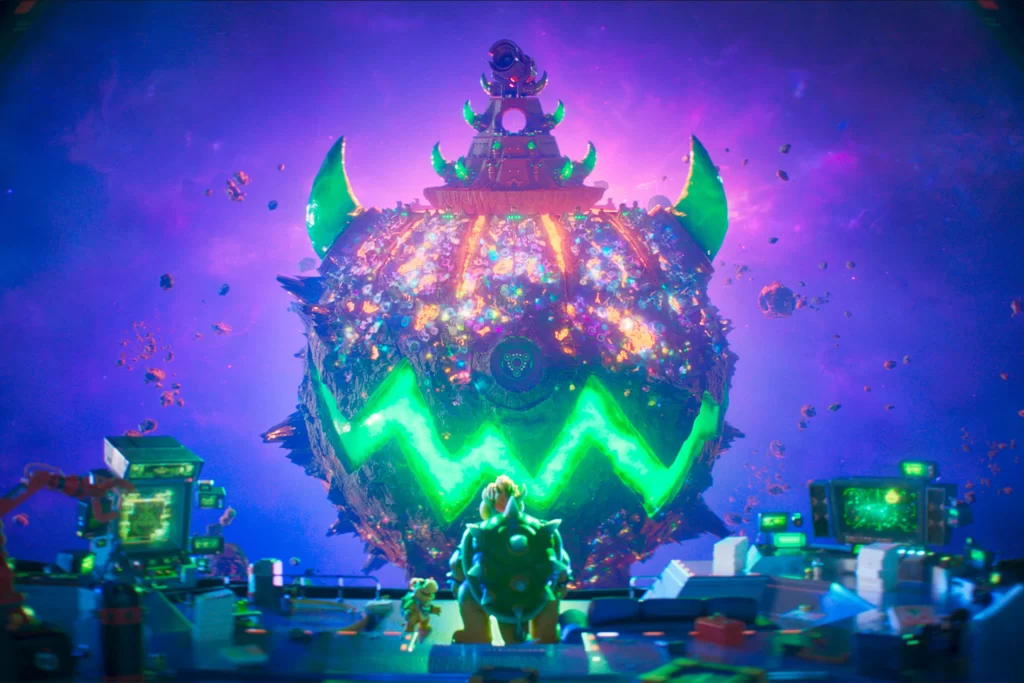
When the first Super Mario Bros. Movie shattered box office records, the question wasn’t if we’d get a sequel, but where it would take us. As it turns out, the answer was “up.” The Super Mario Galaxy Movie (2026) has officially landed, and it is a high-octane, gravity-defying masterclass in cinematic escapism.
If you’re looking for a gritty reboot or a complex geopolitical drama, you’re in the wrong theater. But if you’re looking for pure, unadulterated joy? This is the gold standard.
A Visual Supernova
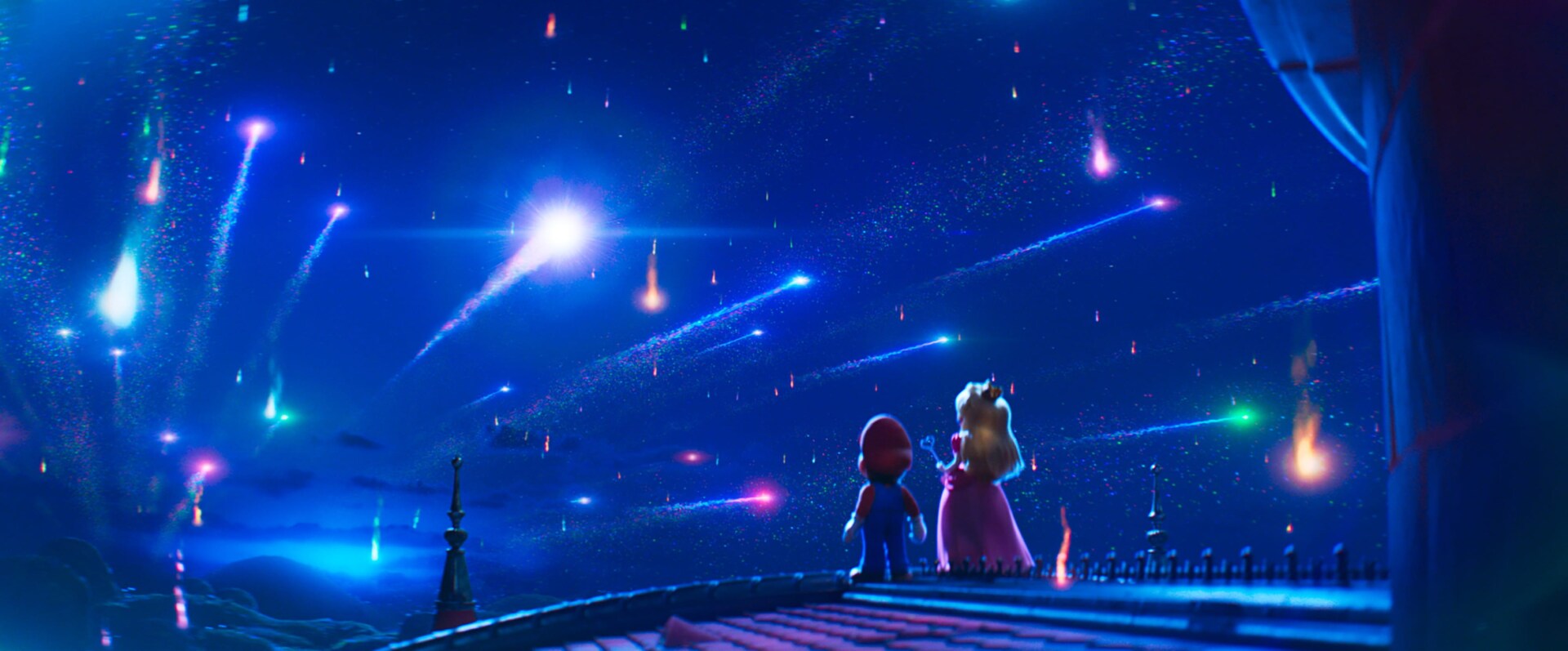
From the moment Mario launches into the atmosphere, the film establishes itself as a technical marvel. Illumination has traded the brick-and-mortar charm of Brooklyn for a psychedelic, cosmic landscape that feels genuinely immersive. The way the film plays with perspective and shifting gravity isn’t just a gimmick; it’s a tribute to the 2007 Wii masterpiece that redefined platforming.
The introduction of the Comet Observatory is a standout moment. It feels less like a cartoon set and more like a majestic, living cathedral in the stars. The colors are vibrant, and the scale of the boss encounters is staggering.
Room for Improvement: A Few Critiques
While the film is a triumph, it isn’t without its meteor showers. Even a fan-favorite can have a few rough edges:
• Pacing Issues: Much like the first film, Galaxy moves at a breakneck speed. There are moments—particularly when explaining the lore of the Lumas—where the film could have benefited from “letting the lungs breathe” rather than rushing to the next action set-piece.
• The “Needle Drops”: While the orchestral score is legendary, the film occasionally leans on 80s pop hits for “cool” moments. After the first movie, hearing yet another classic rock anthem during a montage feels a bit repetitive when we have such incredible original music at our disposal.
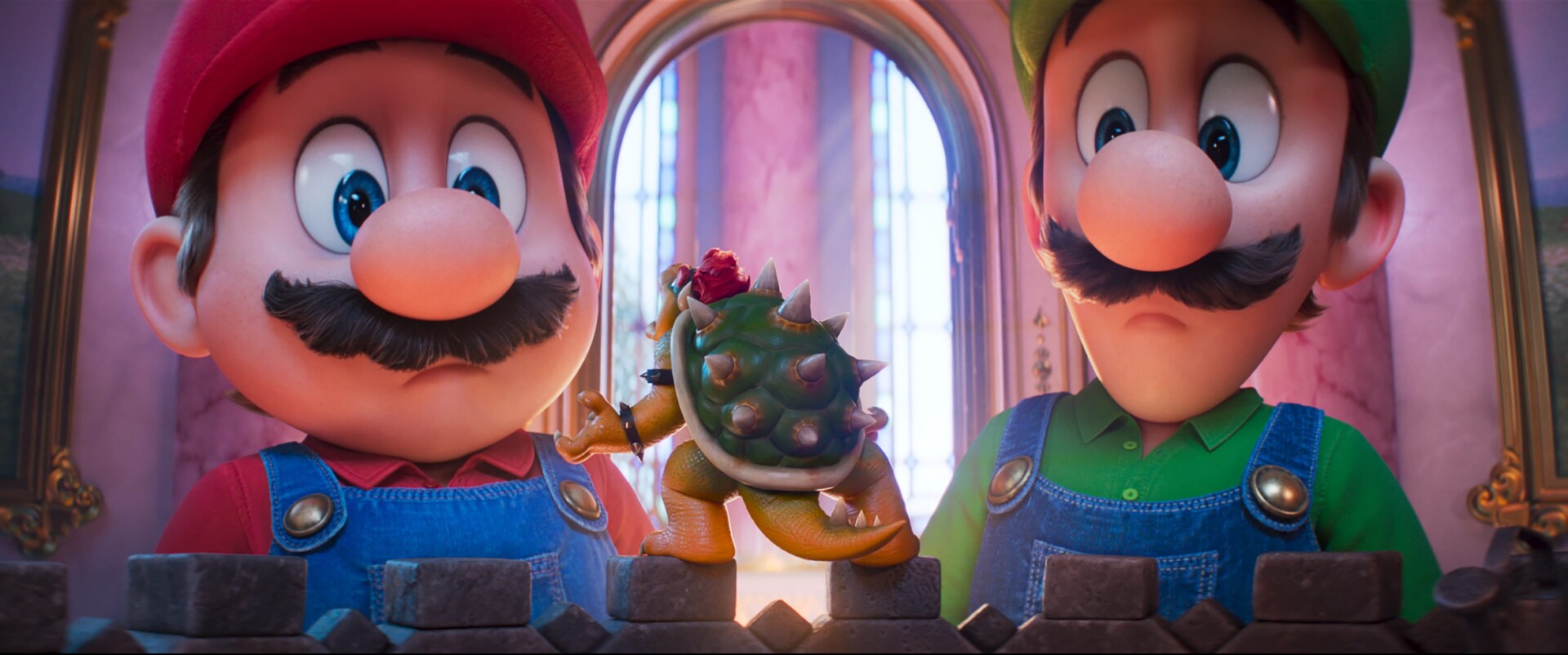
• Luigi’s Screen Time: After being sidelined in the first film, many hoped Luigi would have a meatier role here. While he has his moments of bravery, he still spends a significant chunk of the second act playing second fiddle to Mario and Yoshi.
The Emotional Core: Rosalina and the Lumas
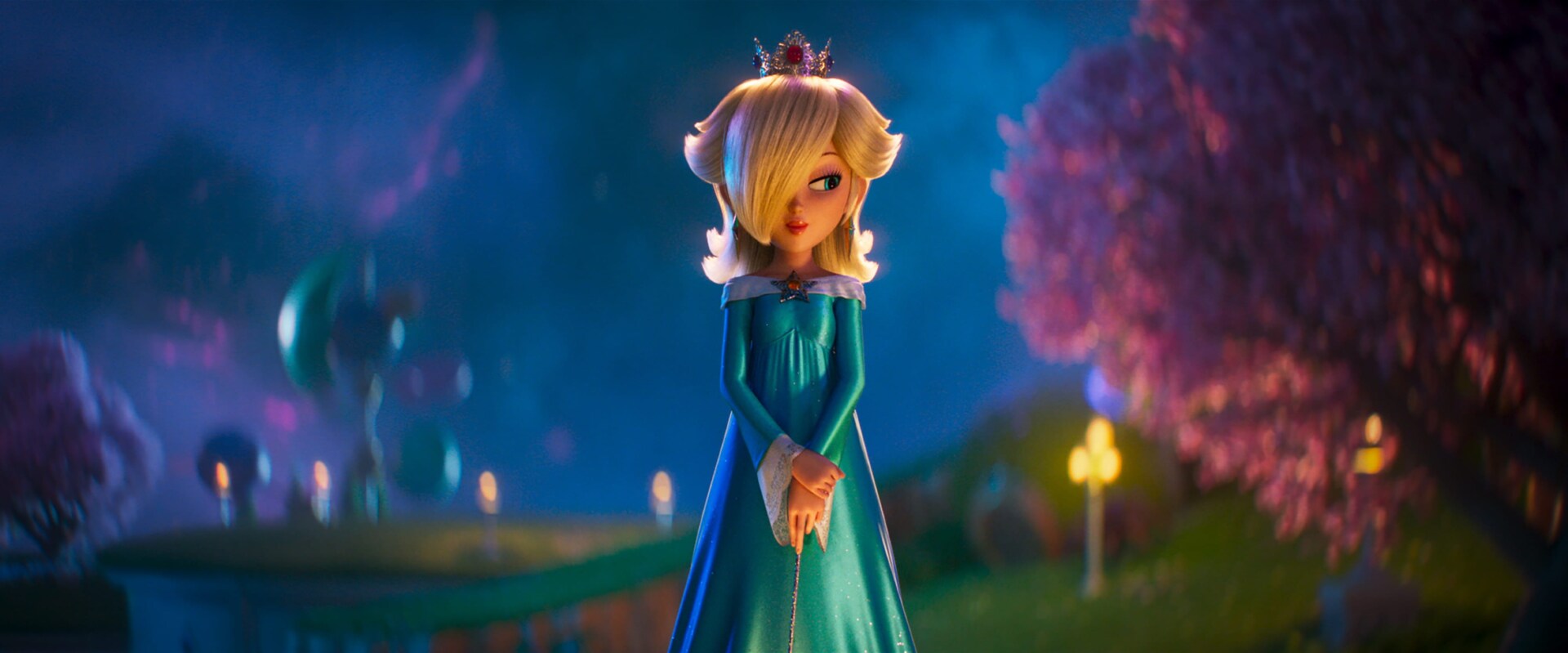
Despite those minor gripes, much of the film’s success is thanks to Rosalina. Her backstory, told through a beautifully animated sequence reminiscent of the game’s storybook, adds a layer of stoic mystery and emotional weight that balances the frantic energy of the Mario brothers.
The score also deserves its own standing ovation. The orchestral reimagining of the original game’s themes is nothing short of magical. It’s the kind of music that demands to be heard in a theater with the best sound system available.
The Verdict: Check Your Cynicism at the Door
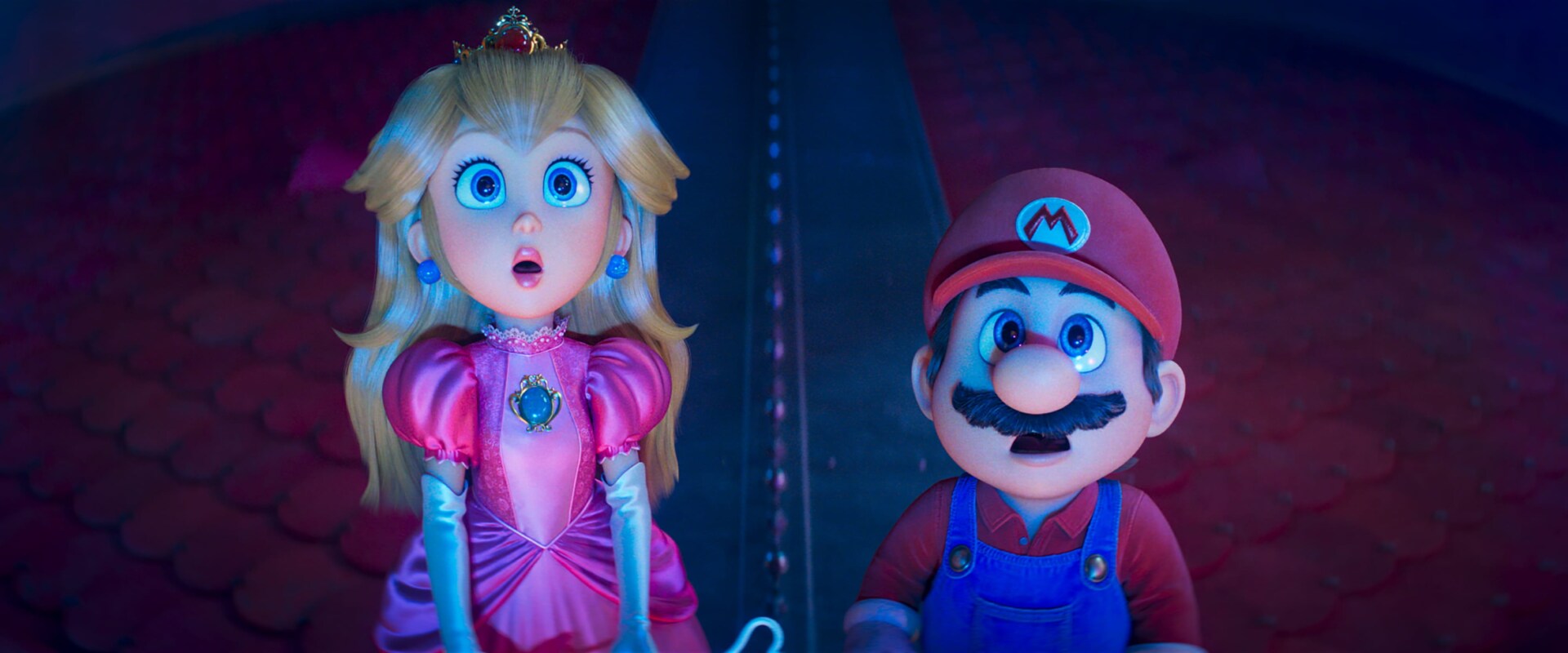
There will always be critics who want to over-intellectualize the “logic” of the Mushroom Kingdom or point out that the plot is essentially a series of fetch quests. Ignore them.
We don’t go to a Mario movie to solve the mysteries of the universe; we go to watch a plumber ride a star through a black hole to save his friends. It is a movie designed for the kid who grew up clutching a Wii Remote and the adult who needs two hours of relief from the real world.
The Bottom Line:
The flaws are minor compared to the sheer scale of the spectacle. Stop worrying about the physics of a power-up or whether the pacing is too fast. Leave the cynicism in the parking lot, and just have fun with the ride. The Super Mario Galaxy Movie is pure, cinematic dopamine—a reminder that sometimes, movies are allowed to just be spectacular.
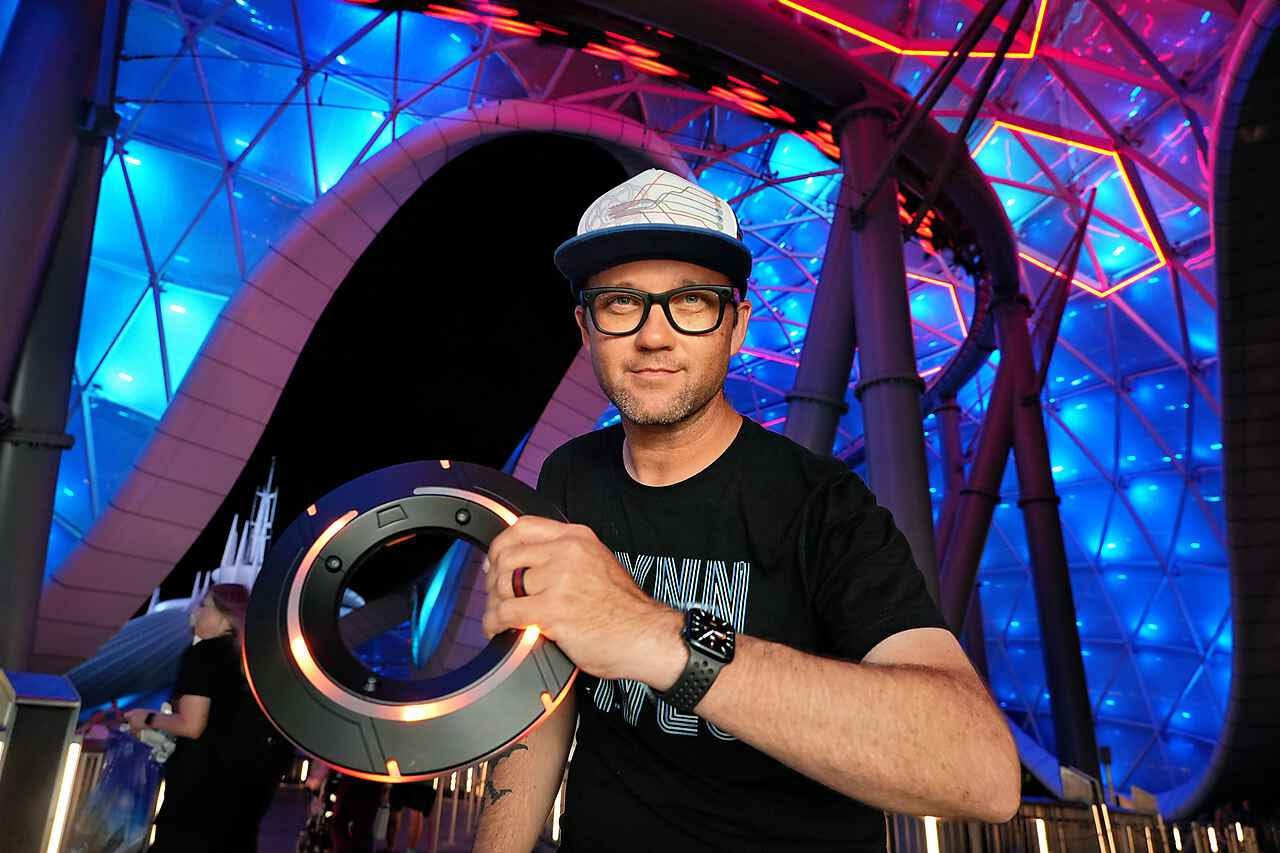
Clint Gamache is the owner of ThrillGeek. He started ThrillGeek to share his love of theme/amusement parks and pop culture with the world. You can find him at Halloween Horror Nights. Also, be sure to follow him on Twitter/X, Instagram @iamcg83
You may also like...
Savi’s Workshop Unveils an Updated “Protection and Defense” Lightsaber and Major Blade Upgrades
Disney Believe Revealed: First Look at New Venues, Entertainment and More Coming to Disney Cruise Line’s Newest Ship
Cosmic Rewind at EPCOT Gets a Holiday Playlist
Obligatory Holiday Overlay: What’s New at Rock ‘n’ Roller Coaster This Holiday Season